CNC Machining of Brass, Steel and Aluminum: Differences and Tips
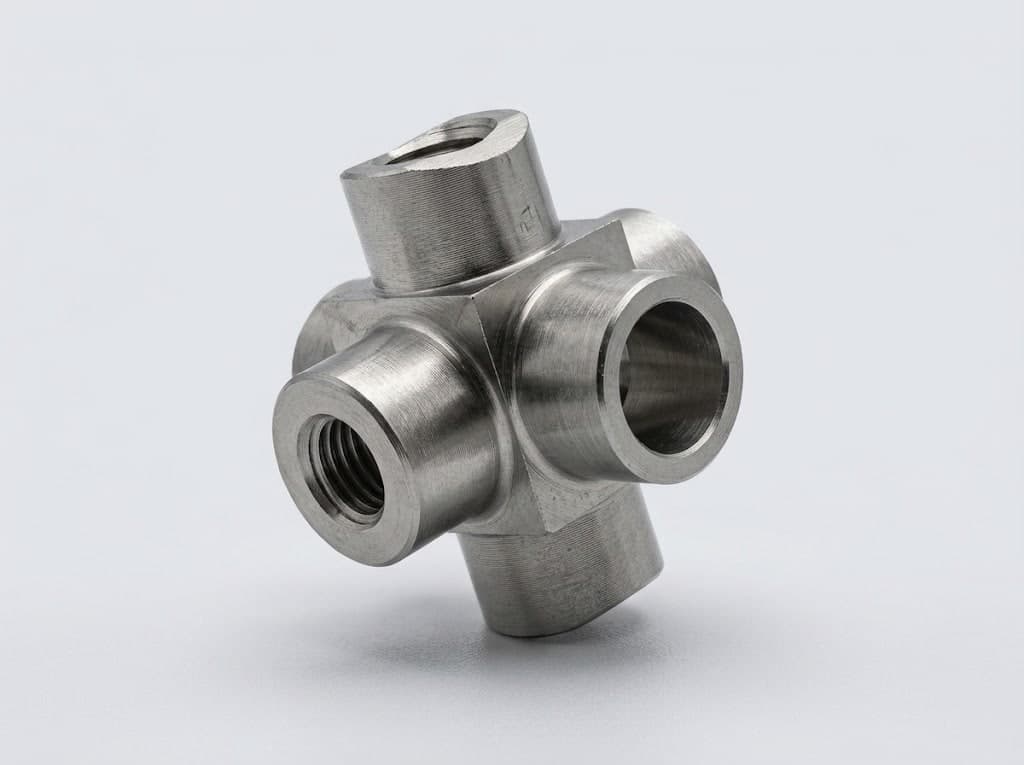
The material of your part directly affects its machinability and cost. We summarize the differences between brass, steel and aluminum in CNC machining and where each one fits best.
In precision part manufacturing, material selection determines both machinability and the strength of the part. The three most commonly processed materials on a CNC Swiss-type lathe are brass, steel and aluminum, each with its own distinct advantages.
Brass
Known for its excellent machinability and clean surface quality, it is ideal for fasteners, fittings and decorative parts. It is corrosion-resistant.
Steel
Preferred for parts that require high strength and wear resistance. It provides durability in pins and load-bearing components, and calls for the right tooling and cutting parameters.
Aluminum
Lightweight, easy to machine and delivers a good surface finish; it is advantageous in applications where weight matters and corrosion resistance is required.
The right choice
The part's operating load, environment and cost target determine the material. Share your requirements with us; let us produce your part with the material and manufacturing best suited to your application; ±0.01 mm is targeted on critical diameters.
Related product & service pages
Request a quote for your project
Membrane press spare parts, magnetic pins or CNC contract manufacturing — tell us your requirement and we will get back to you.